Uncaptured promises – why the EU’s Carbon Removal Certification Framework is set to fail
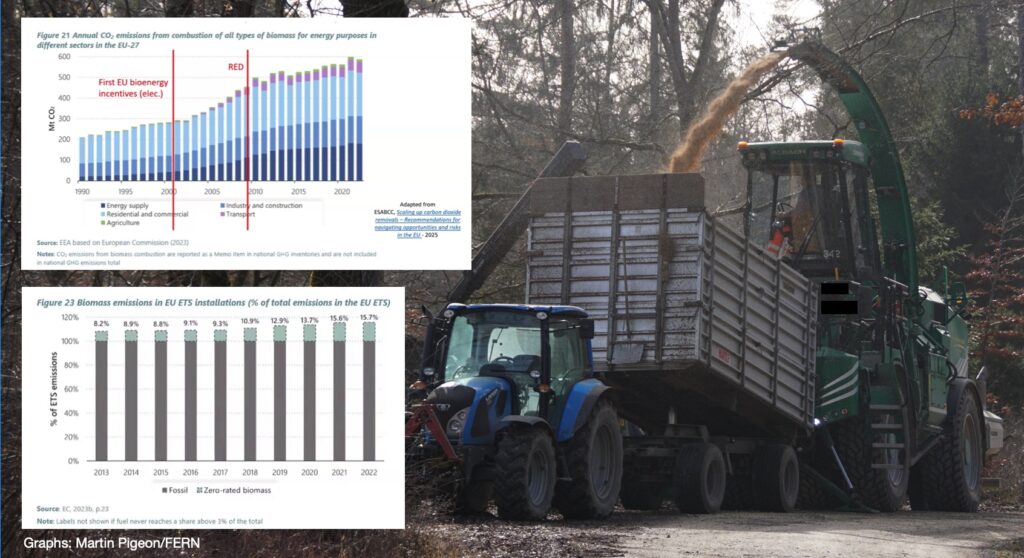
Biomass burning was responsible for 15.7% of total EU greenhouse gas emissions in 2022, comparable to those emitted by Germany, according to an eye-opening webinar co-hosted by Martin Pigeon of FERN.
Thanks to the Renewable Energy Directive’s (RED) accounting sleight of hand, these emissions counted as zero.
As biomass emissions have ballooned, so EU’s forest sinks have shrunk (by over 1/4 in the last 20 years), undermined by RED criteria that transform standing forests into “residues” the moment they lose their commercial edge. It’s a circular logic: if it’s cheap enough to burn, it’s legally “waste”—even if it was a vital carbon sink an hour ago.
RED was born in a boardroom, not a laboratory.
The latest product of political horse-trading is CRCF. Another acronym. Another obscure EU regulatory framework set up with the primary goals of helping the EU reach climate neutrality by 2050 and preventing greenwashing by setting a common European Standard.
The Carbon Removal Certification Framework (CRCF) which impacts many EU climate policies as well as the national carbon targets of member states, was born of the sobering reality that decarbonisation alone will fail to meet our climate goals. Carbon must also be removed from the atmosphere and somehow stored out of sight, mind… and memory.
CRCF certifies 3 types of carbon juggling activities:
- Carbon farming (land management practices)
- Carbon storage in products (largely wood in buildings)
- Permanent carbon removals (such as Direct Air Capture, Bioenergy with Carbon Capture and Storage or DACCS and BECCS/BioCCS respectively)
The most obvious problem is that CRCF is voluntary. Companies cannot be forced to adopt these standards, but they can use CRCF certification to appear sustainable while continuing the business of burning high-emissions biomass as usual.
Industry players are particularly keen on permanent carbon removal, but the much hyped BECCS/BioCCS doesn’t yet work and DACCS is eye-wateringly expensive.
Cue biochar.
Biochar is pyrolysed biomass. Charcoal powder in other words. Cheap and easy to produce, biochar is the fast-food of carbon removals, lobbied into “permanent” status, despite its vulnerability to biotic and abiotic erosion. It’s yet another sleight of hand: calling a temporary soil additive a permanent removal to keep the smokestacks billowing.
Biochar is currently gobbling up 80-90% of the “durable” carbon credits on voluntary markets. But convenience comes with costs. Rigorous agricultural trials to confirm its safety are lacking and while the EU imports biochar for CRCF credits, charcoal production remains a global cause of deforestation (7%) and the leading cause in Africa.
In its rush to certify biochar, CRCF has prioritised marketable credits over peer-reviewed caution.
CRCF is less about carbon capture and more about subsidy capture, designed to keep the bioenergy industry’s RED payments flowing and its furnaces burning.
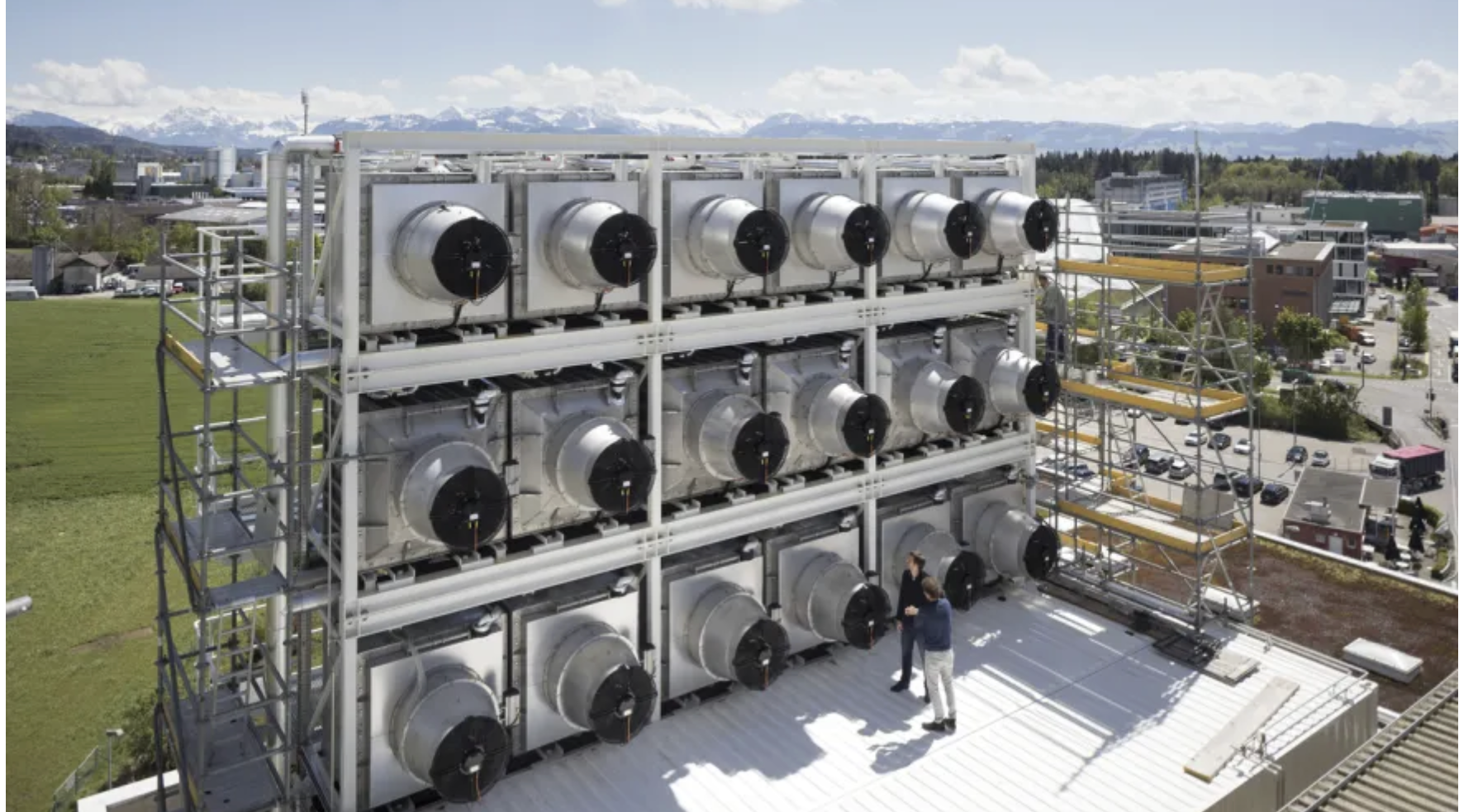
Foto: Die weltweit erste industrielle Anlage zur Entfernung von CO2 aus der Atmosphäre vom Schweizer Unternehmen Climeworks steht in Hinwil /Zürich © Keystone / Gaetan Bally
February, 2026