Study on forest disturbances ignores the main drivers of current forest change in Europe
A study by Grünig et al. published this month makes for worrying reading.
Climate-driven “natural disturbances” from wildfires, beetles and windstorms are literally reshaping European forests, the authors argue, and could more than double by 2100, largely impacting older, carbon-dense forests.
The research, which models a 122% increase in affected areas, also suggests that rising wildfire risks will shift towards temperate and boreal regions, resulting in significantly younger, less resilient forest landscapes that store much less carbon.
But the study is worrying in another way too. It only tells a fraction of the story.
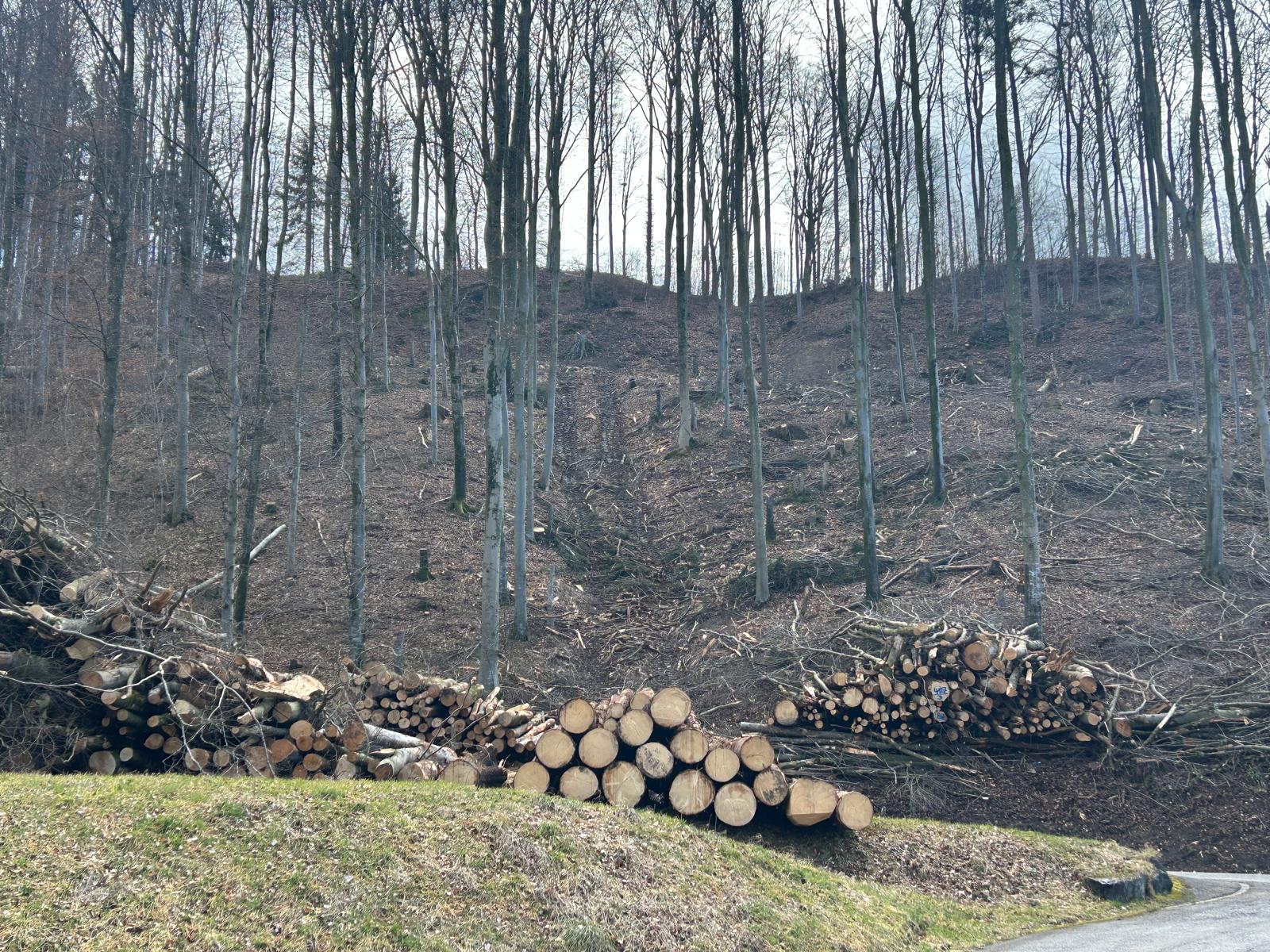
It overlooks the primary driver of forest change in Europe today: logging. It fails to mention that human harvesting and land use currently account for a staggering 82% of all forest disturbances on the continent.
This omission creates a misleading narrative that nature is the main problem, when in reality, planned canopy openings by humans outweigh natural disturbances in terms of carbon loss by more than six to one.
This disconnect is clearly visible in recent climate data, which shows that Europe’s land sector removed significantly less CO₂ in 2023 than its long-term average, dropping from over 300 million tonnes to just 198 million. When countries like Finland or Sweden blame bark beetles and storms for missing their climate targets, they are often ignoring the much larger impact of their own industrial logging quotas.
The “natural” disturbances that Grünig et al. model are often made worse by the very industrial management systems the paper fails to critique. Current European Union policies and subsidies frequently favour large-scale industrial operations that rely on clear-cutting rather than more sustainable methods like continuous cover forestry. Radically logging diverse, established ecosystems actually strips away the forest’s natural defenses and lowers its resilience.
The uniform, crop-like plantations that are often replanted are also far more vulnerable to the exact pests, droughts, fires and storms that the study simulates, meaning our current management style is effectively setting the stage for the disasters we fear.
Additionally, the EU’s bioenergy policies create a “loophole” by incentivising the burning of forest biomass for fuel, driving a level of wood demand that makes it impossible to maintain a healthy, functional carbon sink.
The burning of biomass, on the other hand, emits more CO₂ and pollutants than fossil fuels, which further accelerates climate change and the resulting forest disturbances.
Ultimately, the solution to saving Europe’s forests isn’t just about “planning for more disturbance” as if these events are inevitable acts of nature. Instead, there must be an active effort to reduce the scale of human-induced destruction through a total rethink of forest strategy.
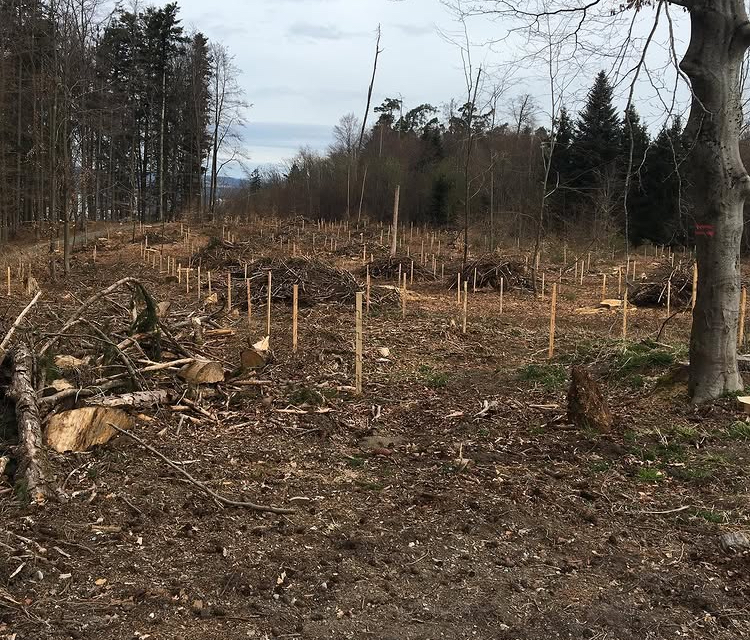
We need a shift toward real “close-to-nature” management. This includes moving away from clear-cutting in favour of selective logging that keeps the forest canopy intact as well as providing strict protection for the remaining 2% of primary and old-growth forests that offer the most stable carbon storage.
By combining these methods with a genuine reduction in wood demand through innovation and circular use of materials, we can move toward a future where forests are resilient enough to survive a warming world rather than being treated as a short-term industrial resource.
And we must continue to debunk the misleading narrative that the major threat to our forests is natural which gives the forestry industry a free licence for further excessive exploitation.
March 2026