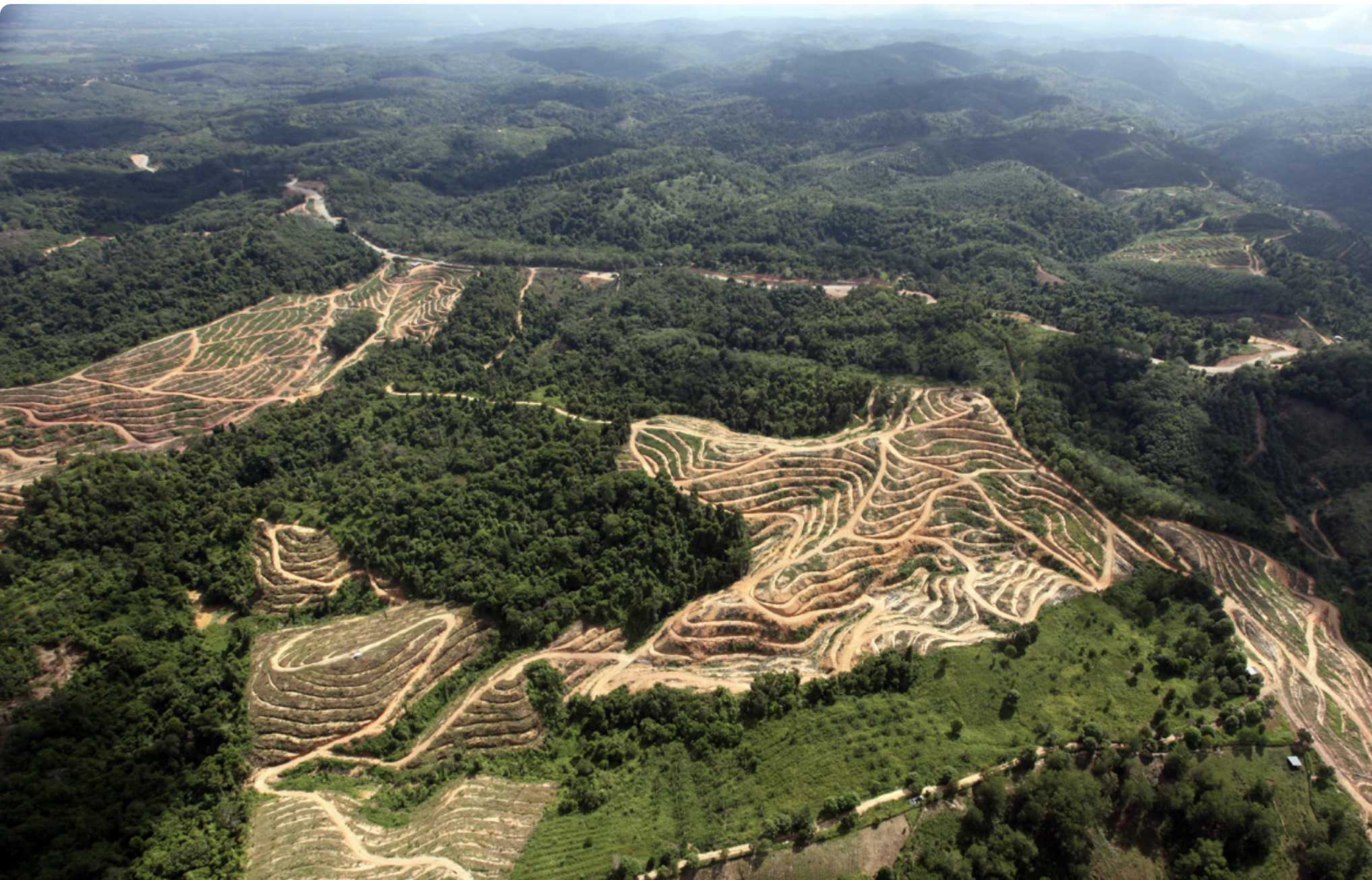
Destroying rainforests to “save” the Planet? Inside the Dutch biomass scandal
Europe’s green energy revolution has a dirty secret and it involves a 15,000-kilometre smoke-trail.
Following a landmark emergency hearing before the Netherlands Trade and Industry Appeals Tribunal (CBb) on 28 May 2026, the Dutch Government is facing an awkward reality check. Environmental groups Comité Schone Lucht and Biofuelwatch are demanding an immediate freeze on hundreds of millions in climate subsidies paid to energy giant RWE. The accusation? Using taxpayer money to fund global deforestation, all neatly wrapped in a “green energy” bow.
According to Eurostat data, the Netherlands imported 190,985 tonnes of wood pellets from Malaysia in 2024 alone and the ships are still rolling in. Conveniently, RWE’s own annual reports suggest their appetite for wood pellets matches total Dutch imports almost perfectly. It turns out public subsidies are fantastic for bankrolling global shipping logistics.
The legal enforcement request names the specific Malaysian suppliers keeping RWE’s furnaces fed, namely Rainbow Pellet (Pahang), thought to have supplied some 170,000 tonnes, and TreeOne MegaPellet (Sarawak), a subsidiary of the notorious Samling Group, linked to a 20,000-tonne shipment from the port of Bintulu.
Naturally, these pellets come stamped with “Sustainable Biomass Program” (SBP) and “Green Gold Label” (GGL) certifications. Because nothing says “sustainable” quite like wood sourced from regions plagued by tropical rainforest clearance, as long as the clipboard says it’s just “sawmill residue.”
You have to admire the sheer intellectual gymnastics of modern carbon accounting. The recipe is simple: cut down biodiverse tropical rainforests in Malaysia, process them into pellets, load them onto fossil-fuelled cargo ships, sail them halfway across the planet and burn them in a European power station.
The result? An immediate, massive carbon debt and a trail of ecological destruction… but on a government spreadsheet, it magically becomes completely carbon-neutral.
Even the Dutch Emissions Authority (NEa) warned that the control systems for Malaysian wood pellets are full of vulnerabilities and completely fail to guarantee actual sustainability. But why let a regulatory warning get in the way of a good subsidy payout? The Dutch State is currently fighting back by claiming environmental groups shouldn’t even have the legal standing to challenge these corporate payouts. The co-complainants maintain that this position is a direct violation of the Aarhus Convention and European environmental law.
If the complaint succeeds in halting the subsidies, the ripple effects will be felt throughout the EU. The case calls into question the integrity of foreign wood pellet imports, the legitimacy of commercial self-certification schemes and the broader future of biomass as “sustainable renewable energy.”
Ultimately however, this case highlights the administrative magic of modern climate policy. As long as the paperwork is stamped correctly, the incineration of ancient ecosystems is somehow transformed into an act of environmental salvation. Taxpayers can rest easy knowing their hard-earned millions are funding a green transition that requires destroying the planet to save it.
June 2026
Photo: Representative image from Malaysia by Mongabay.com