Natural wood isn’t the only fuel used in Swiss fireplaces – but all types of waste
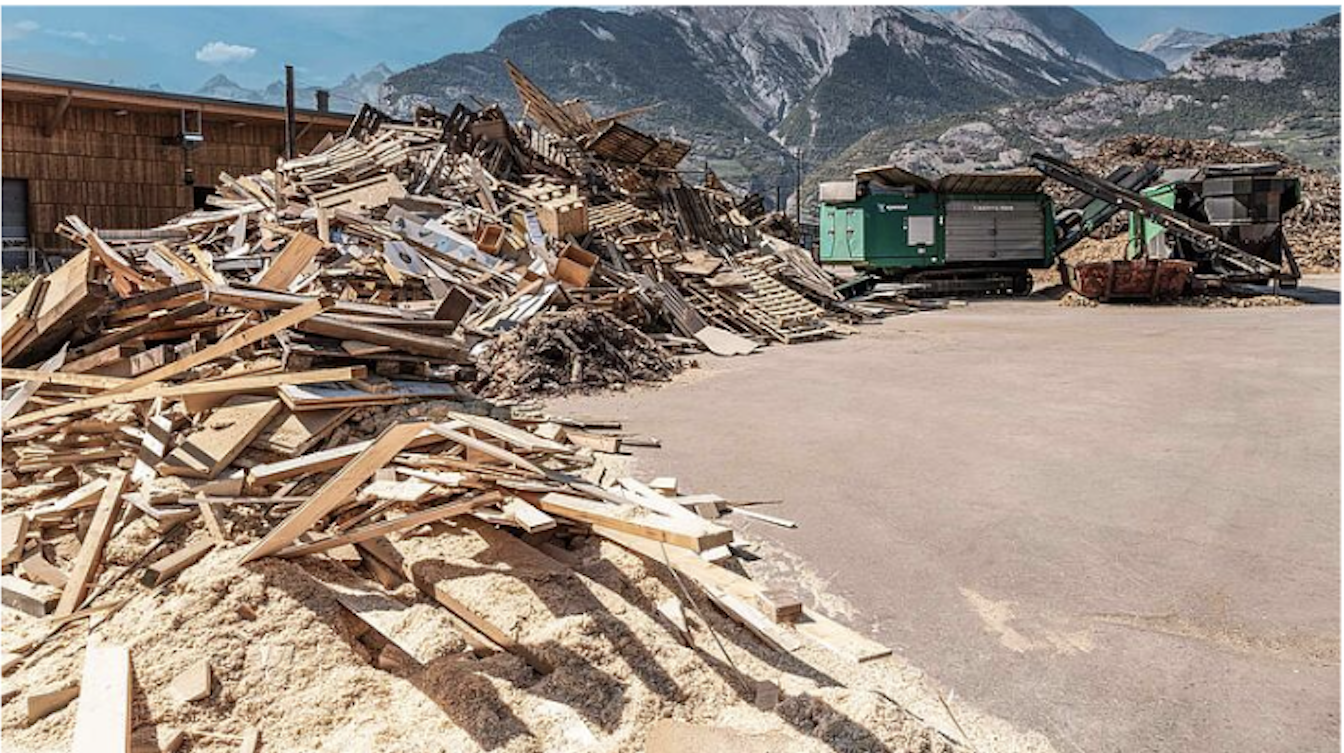
The Federal Ordinance on Air Pollution Control (OAPC) classifies wood under four different types: natural wood; wood residues (from sawmills); used wood (from demolition/construction sites) and recycled wood (such as old furniture) and stipulates that only natural wood can be burnt in unfiltered installations.
While burning all types of wood releases pollutants, the last three categories emit vast quantities of dioxins and heavy metals (lead, chromium, zinc and copper), as well as hazardous halogenated organic compounds in the case of used wood. Demolition and recycled wood emit the most pollutants, with up to 4 times and 16 times more lead and zinc respectively than the 5 mg/m3 mandated by the OAPC. High levels of pentachlorophenol (PCP) and chlorine are also emitted into the atmosphere, and are also found in the residual ash.
Wood residues, used wood and recycled wood should only be burnt in furnaces equipped with special filters therefore.
But many people are either unaware of the law or wilfully ignore it. Cases have even been documented of old furniture being burnt and of recycling yards being raided for discarded furniture and other treated wood to burn in home stoves.
Even domestic rubbish is burnt in fireplaces to avoid having to purchase bin bags (which are taxed in Switzerland).
In grape growing regions such as the Valais, vine stocks are sometimes burnt in home fireplaces along with all the chemicals they’ve been doused in, to save having to pay to burn them industrially. And very often the resulting ash is then used to fertilise vegetable patches and gardens!
But even burning natural wood produces pollutants. Indeed the size, moisture content and tree species of both wood logs and woodchips can greatly impact their combustion, as indeed can the type of wood stove and whether it has been properly maintained or not.
Burning wet wood for example produces more pollutants, more ash and two times less energy or heat than burning dry wood. Burning 500 kg of wet wood could theoretically pollute an area of 100 hectares in size. Yet some people actually water their log piles to keep the wood wet so that it burns longer.
According to the Federal Office for the Environment (FOEN): “Domestic wood burners are not subject to periodic measurement. However, if they are used regularly, a visual inspection is carried out every two years (less frequently for rarely-used systems) to check that the combustion system is being operated correctly, and in particular with the right fuel.”
Such inspections are conducted both by chimney sweeps and specially trained officials, but not enough tests are being done and, with chimney sweeps booking their slots with home owners in advance, there is little chance of catching the latter red handed.
Tests carried out on some 2,100 biomass-fired district heating systems in central Switzerland revealed that 15.43% did not conform to the OAPC. A similar result (16% non-conformity) was found in the canton of Bern where 4,000 burners are tested each year.
Regardless of maintenance, the use of filters or the type of wood, the pollutants produced by wood burning are extremely harmful to health, both for the person burning the wood and for people in the immediate and wider vicinity.
Finally, although district heating systems do mostly come with filters, they are much less effective than those found on waste burning plants and some unscrupulous operators have been known to turn the filters off; burn wet woodchips or power their burners up at night when the wood smoke released is less visible.
It is past time to transition to emissions-free heat sources.
September 2026