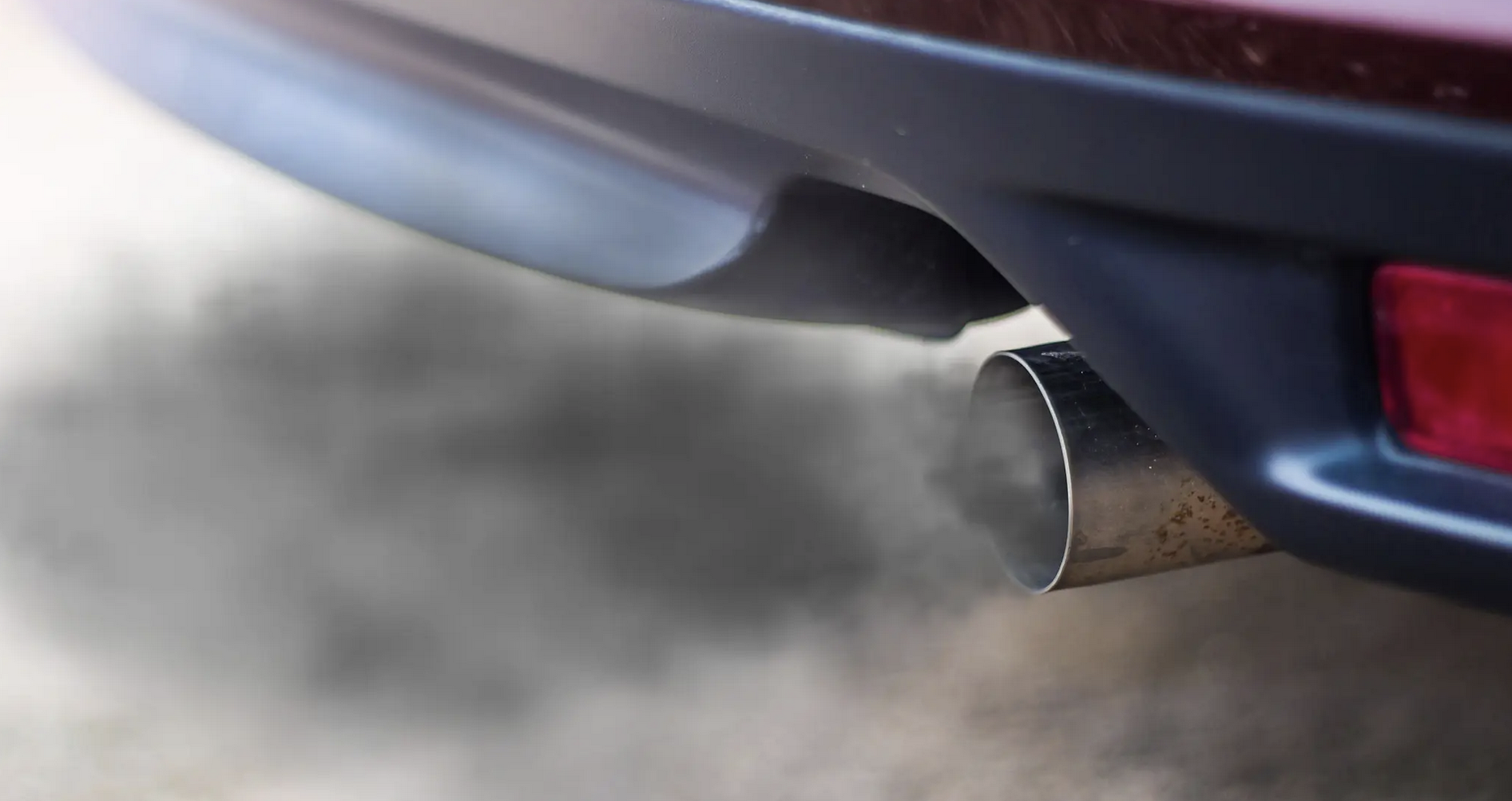
We are burning 1970’s petrol in our living rooms
Is your “eco-friendly” wood burner releasing 1970s neurotoxins?
We’ve all been hammered by industry hype that wood burning is a clean, green, renewable heat source that mitigates global warming.
Thankfully, these “all-natural” fairy tales are unravelling. As detailed in The Guardian, a new study by the University of Massachusetts Amherst has driven a further nail into the biomass industry’s heavily marketed coffin by revealing that when you burn wood, you aren’t just releasing carbon—you are actively poisoning the local air supply with historical lead.
The process is simple. Deadly simple.
Think of trees as environmental sponges, removing not just CO2 from the atmosphere but also toxic heavy metals from polluted soil. Over decades, forests have acted as environmental sinks—trapping the lead left behind by 20th century industrial activity and leaded gasoline—within their wood.
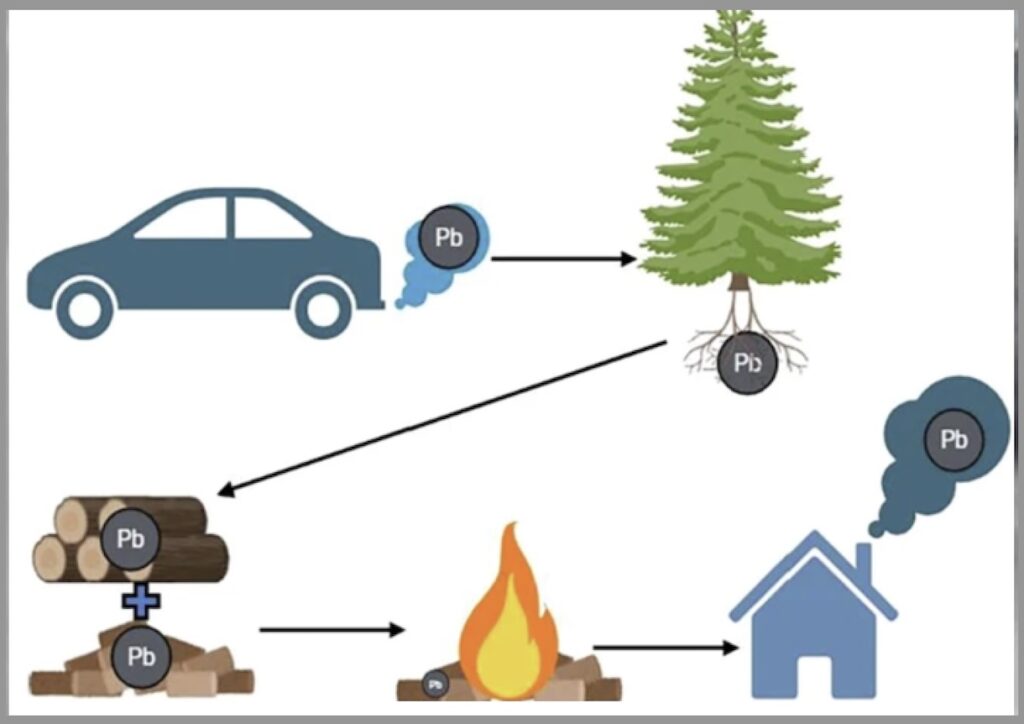
But burn this wood and the trapped lead vaporises. Both vintage and modern wood stoves burn hotly enough to turn this heavy metal into airborne smoke, threatening homes and entire neighbourhoods.
As the air cools, the vapour condenses, attaching itself to microscopic PM2.5 soot and ash particles—pollutants small enough to bypass your respiratory system’s natural filters.
Breathe in these particles as you crack open your stove door or as you happily grill marshmallows over a camp fire, and they will penetrate deep into your lungs’ alveoli, passing straight into your bloodstream and organs.
Lead is a potent, cumulative neurotoxin.
The World Health Organization confirms there is absolutely zero safe level of human exposure. Once inhaled, it causes cellular inflammation, irreversible neurological damage and cognitive decline.
Leaded petrol was rightly banned over 25 years ago following decades of industry cover-ups. But now, in a cynical relay race of corporate deception, the biomass industry has simply caught the greenwashing baton from the petrol sector.
The legacy damage remains.
Urban areas still experience routine winter spikes in airborne lead. While this pollution was previously blamed on people burning scrap timber covered in old lead paint, the American study points to untreated wood itself as the culprit.
Other research—including a 2003 Swedish study that found significantly more lead inside wood-heated homes than those without—aligns with these findings, indicating that indoor and residential wood heating continually exposes local neighbourhoods to toxic air.
We can no longer afford to evaluate green energy solely through a carbon lens. True sustainability requires a comprehensive toxicological assessment. Policymakers must immediately update clean air strategies to account for biomass heavy metal emissions.
It is high time to extinguish domestic wood burning incentives and prioritise truly clean, non-combustible heating alternatives to protect our communities’ long-term neurological health.
May 2026
Photo: Deutsches Ärzteblatt, November 2023 / Graphic: Created in BioRender. Henegan, P. (2026)