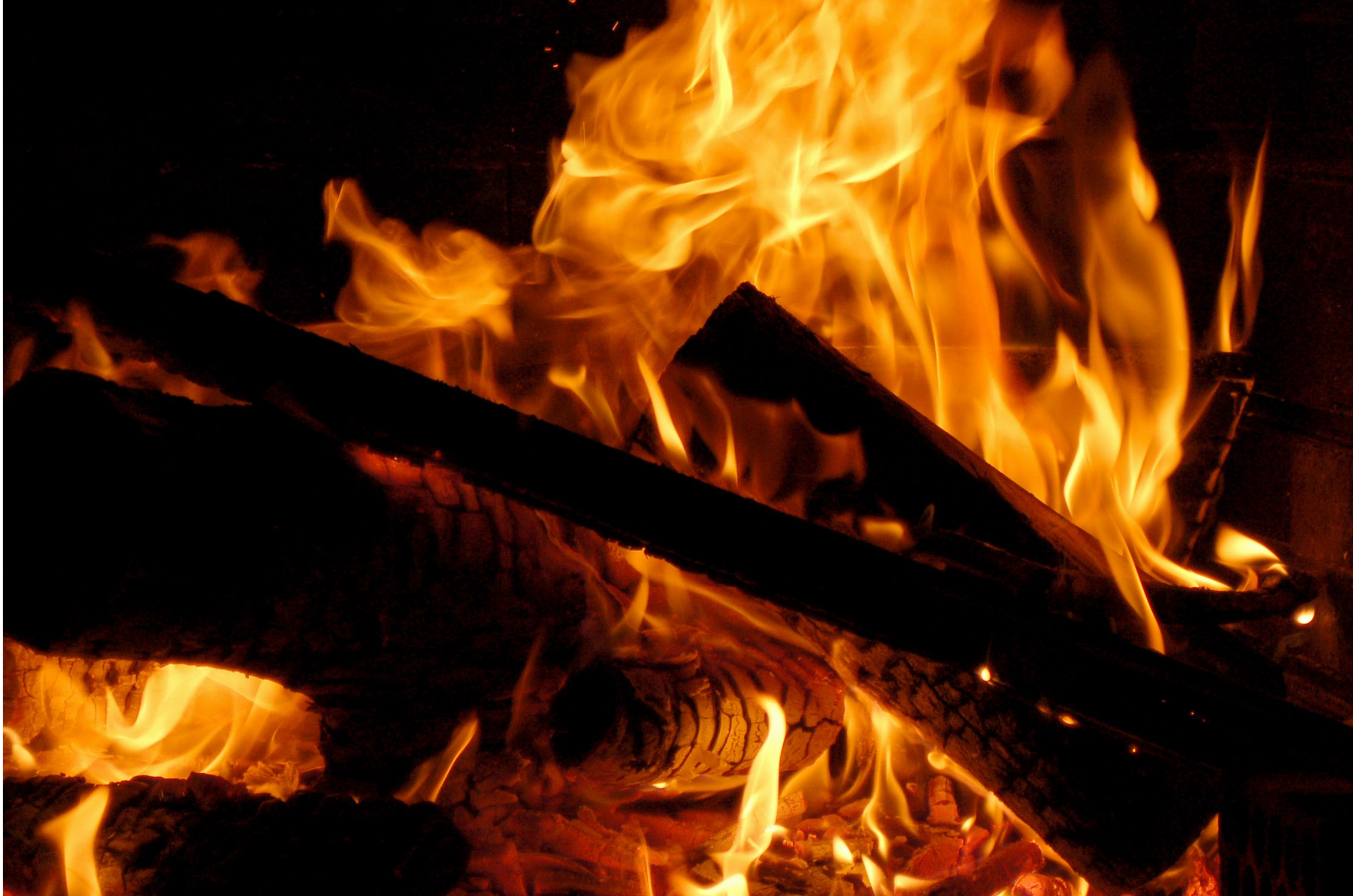
Heating with wood – officially carcinogenic
Ever since its launch in 1987 by the European Commission and the International Agency for Research on Cancer, the European Code Against Cancer (ECAC) has provided citizens with evidence-based recommendations to manage their own health.
Developed by 60 European experts, the 5th edition (ECAC5) lists 14 ways to help prevent cancer including though combatting air pollution.
As individuals cannot personally control the air they breathe, the 2026 update has moved beyond its historical focus on individual lifestyle choices to formally call on governments to implement the systemic changes and legislative protections required to eliminate environmental carcinogens.
As an article in The Guardian reports, the scientific basis for this shift is compelling: an estimated 28,000 lung cancer cases in Europe annually are now attributed to particulate matter, including through increased biomass burning.
While wood fires are often viewed through a lens of recreation or aesthetics, they are a primary contributor to this toxic load and a major source of indoor and outdoor pollutants. The evidence increasingly links these emissions not only to lung cancer but also to bladder, kidney and brain cancers.
Adhering to World Health Organization (WHO) air quality guidelines could reduce lung cancer mortality by more than 10%, the experts believe. To reach these targets, essential structural reforms are needed, including:
- Phasing out wood and coal: in a direct response to the increasing trend of wood burning—which counteracts other air quality gains—the experts explicitly call on governments to discourage and eventually phase out the use of solid fuels for heating, cooking and recreation.
- Decarbonisation incentives: to facilitate this transition, robust incentives for the installation of non-polluting home energy systems, such as heat pumps, solar power and geothermal energy, are needed, effectively moving the burden of heat generation away from harmful combustion.
- Protection of vulnerable groups: because wood smoke concentrates in residential areas, the experts urge that schools and nursing homes be fitted with high-grade indoor air filters to scrub the air of dangerous particulates.
- Ending combustion for power: the expert group calls for a total end to combustion for electricity generation and heating across the EU, including the use of biomass, framed as “green” but nevertheless a significant source of carcinogenic particulate matter.
The report concludes that while individuals should take personal precautions—such as keeping their homes free of smoke—significant reductions in cancer incidence require legislative action. It is no longer sufficient to advise citizens on how to breathe; governments must now implement the infrastructure and energy transitions necessary to ensure the air is safe by default.